

Last month, Japan finally announced the much-anticipated Digital Nomad Visa making it the perfect time to start thinking about Tokyo as your next Digital Nomad destination.
Tokyo already draws tourists from every corner of the World who dream of visiting this futuristic city. What they don’t know, however, is that it is an even better base for any remote worker looking for their next adventure.
I’ve lived in Japan for almost 2 years and love the remote work lifestyle Tokyo has to offer.
Here’s everything you need to know…
The Advantages of Tokyo for Digital Nomads
1. Unmatched Safety
For me, the standout feature of life as a Digital Nomad in Tokyo is the unparalleled sense of safety, particularly as a woman in my twenties. Despite the capital city’s size and activity, Tokyo feels safer than even the smallest towns in the UK. Whether working solo in cafés or strolling down the streets, the peace of mind is remarkable, with little concern about theft or personal safety.
As a solo woman traveller, I even feel safe walking alone at night through a park – something I could never do back home in London.
2. Affordability
You might expect the cost of living in Tokyo to have parity with London or LA, but the surprising reality is that it is markedly more affordable – especially with the current historically low Yen rate. Despite pricey accommodations for vacationers, daily living expenses, food, and transportation are relatively cheap, making longer stays much more accessible.
The average monthly cost for a single person is under $1000 USD plus rent which can be as low as $600 per month for a standard studio apartment. $30 a day is more than enough to cover transport and food costs with a great bowl of ramen rarely costing over $7.
3. Cultural Richness
Tokyo seamlessly blends modernity with ancient culture, with shrines and temples scattered throughout the city, even in the busiest parts of the city. One of my favourite spots to work is Shinjuku Gyoen, a large park containing a traditional Japanese garden, stunning tea house, and spectacular greenhouse demonstrating ancient Japanese techniques. I love working from the park during the day, then stepping outside of its gates and directly into the crazy hubbub of Shinjuku.
4. Exceptional Customer Care
In Japan, there’s a deep-rooted commitment to delivering top-notch goods and services. Whether you’re sipping coffee at a café or navigating through train stations, meticulous attention is given to ensure everyone, tourists and locals alike, enjoys an impeccable experience.
English is common for anyone working in customer service in Tokyo making it possible to navigate the city, order food and drinks, and make appointments with limited Japanese. If you hit road bumps with your accommodation or phone plan, the highly trained customer service workers will do everything they can to sort out the issue quickly and efficiently.
Tokyo’s Challenges for Digital Nomads
1. Japan is Not Living in 2050
Japan might have a reputation for technological prowess, but the truth is it’s very much still stuck in the past when it comes to the internet. Making online payments, attempting to book concert tickets, and even trying to navigate an attraction’s website can prove extremely challenging – just try and get tickets for the Ghibli Museum.
Many things require you to be in-person to be completed from paying bills to registering your address at the city hall (or Kyakusho)…then unregistering when you move…and re-registering somewhere else. With each visit involving 2-3 hours of waiting.
2. Crowds
With a population of around 14 million and an influx of 25 million tourists every year, Tokyo is full to the brim with people. Trains are consistently packed, and restaurants often have long waiting times. I had to get used to constantly being surrounded by other humans pretty quickly – and I thought London was busy enough!
Despite the sheer number of people, the Japanese are remarkably respectful of personal space, lending a sense of order to the bustling crowds no matter how big they might be. Even though there are thousands of others on the streets around you it never feels chaotic and there’s always a strong sense of order… Except maybe on the Yamanote Line at 8:30 AM.
3. Social Challenges
While Tokyo teems with people, forming meaningful connections can be challenging. The intense work culture and strict societal norms are known to cause feelings of isolation, particularly among young adults.
As a Digital Nomad, finding a community that shares similar experiences or backgrounds might take time, especially in a city where the population is 98% Japanese and the Digital Nomad culture is still emerging.
Tokyo’s Best Neighbourhoods for Digital Nomads
Every area of Tokyo offers something a little different, here are some of my favourites:
Kichijoji
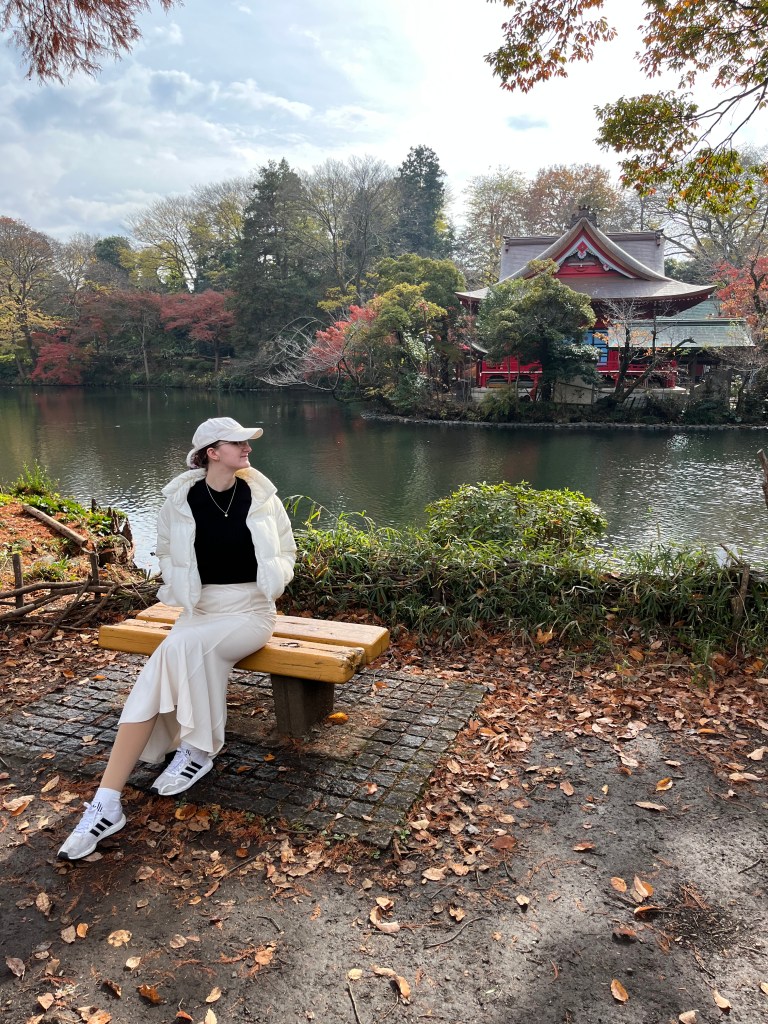
For a more relaxed vibe, Kichijoji, located just outside of central Tokyo, offers a more peaceful lifestyle. Its picturesque park, thrift shops, and charming cafes provide a quieter alternative to the city’s hustle and the ideal area for Digital Nomad workdays. There, you can enjoy the convenience of urban living without the constant buzz of crowds and tourists.
Shinjuku
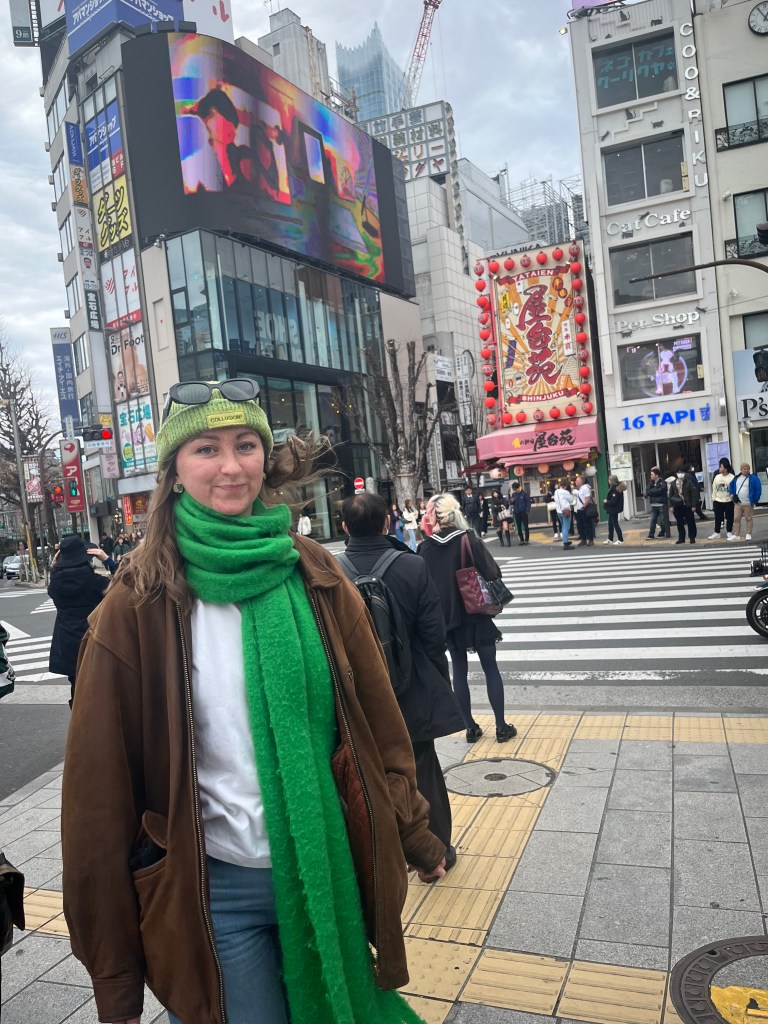
Shopping, food, activities, Shinjuku is a central hub in Tokyo that has everything you could ever need… You literally do not need to leave except for your sanity. Luckily Shinjuku station can connect you with any part of Tokyo and even further out of the city with direct buses to Nagano, Disney Land, and both major airports.
Asakusa
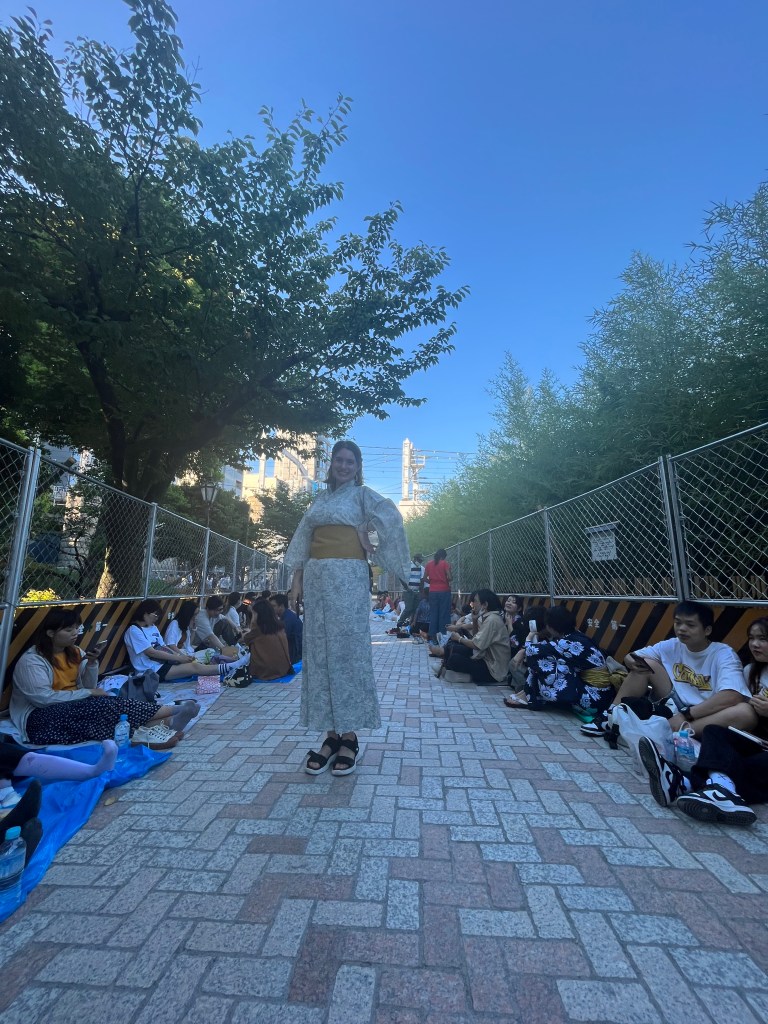
Renowned for Senso-Ji, Tokyo’s iconic temple, Asakusa is rich in history and personality. With its proximity to the Sumida River and frequent festivals, this neighbourhood buzzes with both culture and activity. I love to explore its winding streets on foot to find hidden restaurants and constant inspiration.
Naka Meguro
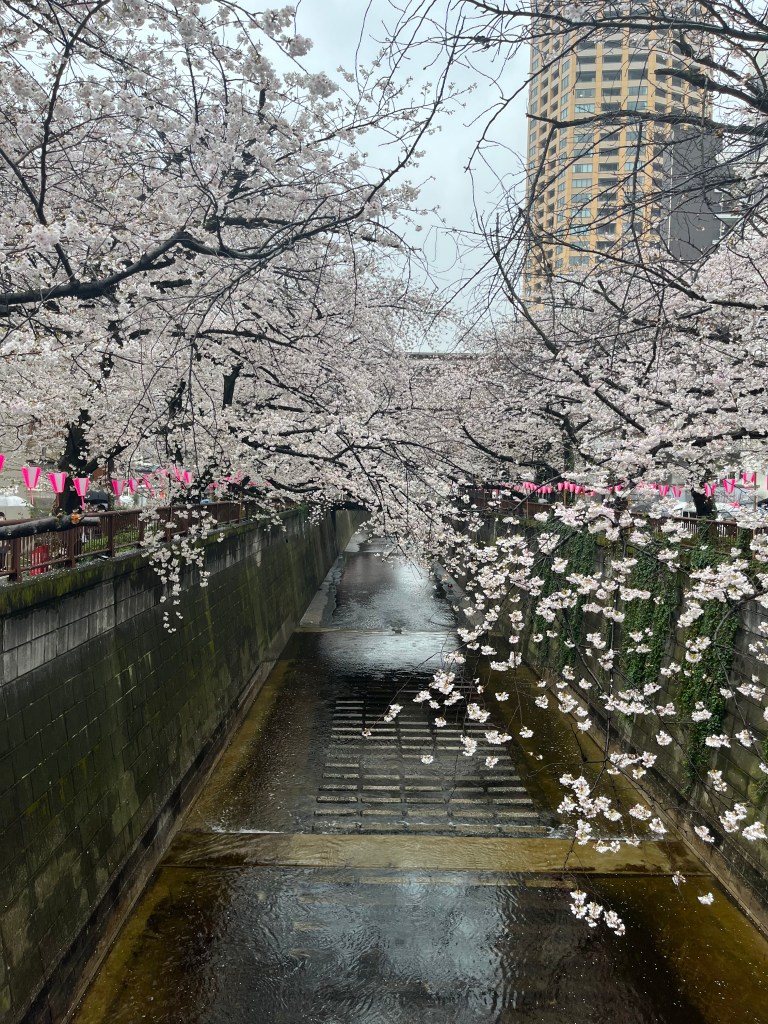
Often overlooked, Naka Meguro provides easy access to both Shibuya’s shopping and nightlife and Ebisu’s upscale dining scene. Along the iconic Meguro River, you can also discover numerous boutique cafes for remote work, as well as a vibrant expat community.
Top Coworking Spaces in Tokyo:
BLINK Smart Cowork Space
Location: Roppongi
Fees: 20,000 Yen per month
Included: Desk, monitors, printers, scanners, events, mail handling
Atmosphere: Sleek and modern design that is popular with expats. The attached cafe also adds a touch of more relaxed energy when you need a break from the office.
Address: 3 Chome-1-6 Motoazabu, Minato City, Tokyo 106-0046, Japan
CASE
Location: Shinjuku
Fees: From 2000 yen per day
Included: Hot Desk station, monitors, outlets, English-speaking staff
Atmosphere: Airy, bright, and the perfect location right next to Shinjuku station makes CASE great for any last-minute drop-in session.
Address: Japan, 〒169-0075 Tokyo, Shinjuku City, Takadanobaba, 1 Chome−28−10 三慶ビル 4F バンフォーレ
SHARE LOUNGE Shibuya Scramble
Location: Shibuya
Fee: From 1650 yen per hour
Included: Desk, monitors, cables, free snacks and drinks, option for all-you-can-drink alcohol
Atmosphere: Incredibly located on the 11th Floor of the Shibuya Scramble Building, this space is both relaxed and very cool with a very productive atmosphere making work feel like a breeze.
Address: Japan, 〒150-0002 Tokyo, Shibuya City, Shibuya, 2 Chome−24−12 スクランブルスクエア 11F・TSUTAYA BOOKSTORE 内
Best Cafes for Remote Work in Tokyo
Check out my Guide to the Top Remote Work Coffee Shops in Tokyo.
Digital Nomad Visas in Japan
Specified Visa: Designated Activities
Formally called the Specified visa: Designated Activities, this new visa allows Digital Nomads to live and work in Japan for up to 6 months. To apply you must be from an eligible country listed on the Ministry of Foreign Affairs website and have a proven annual income of over 10 million yen (approximately $64,000 USD).
Japan Working Holiday Visa
The Working Holiday Visa is an immigration option that allows citizens of over 25 different countries to travel to Japan, typically for up to a year, and work legally. It offers an opportunity to experience the culture and lifestyle of Japan with the freedom of making money whilst here.
The Working Holiday Visa covers all forms of work, including Digital Nomad and Remote Work, meaning you can legally work in the country for an extended period of time. Applicants need to be from one of the 29 countries that offer the program and usually aged between 18 and 30.
To find out if you’re eligible to apply, check out the Ministry of Foreign Affairs website.
My Favourite Tokyo Activities
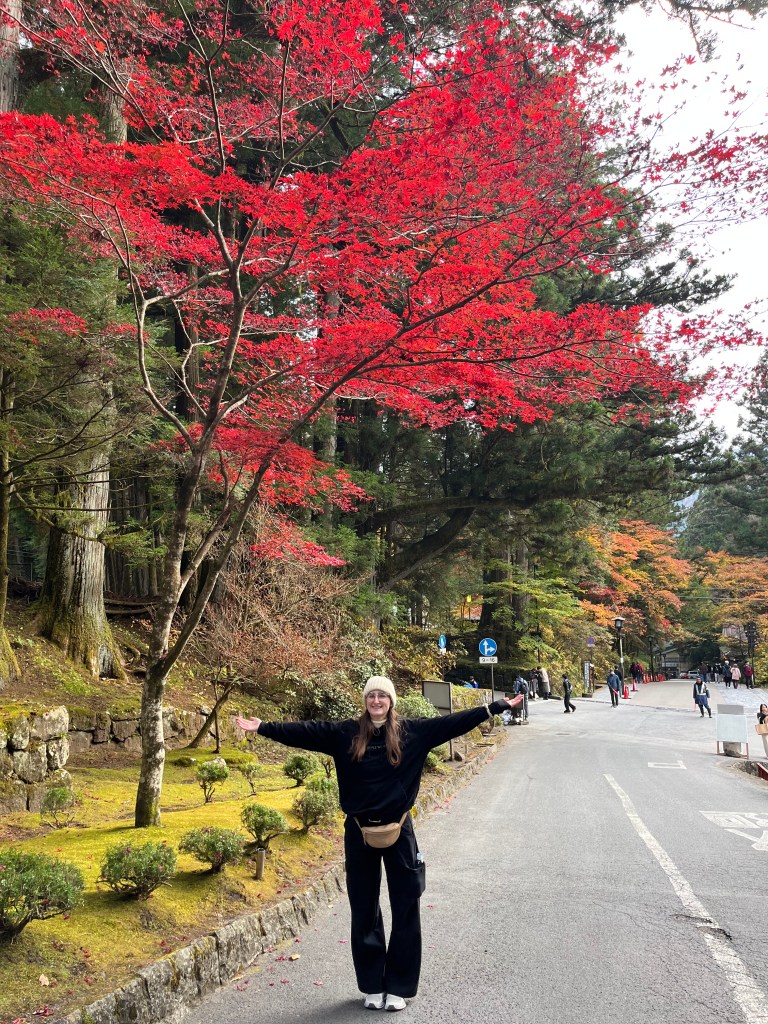
When you’re not working, you have to ensure you make the most of your time in the incredible city that is Tokyo. Here are my Top Ten ways to spend a day in the city:
- Experience Omakase in a sushi restaurant for a culinary journey through Japanese cuisine.
- Enjoy late-night ramen for an authentic taste of Tokyo at night
- Catch a baseball game at Tokyo Dome for an electrifying sports atmosphere.
- Host a hanami party in Inokashira Park in Kichijoji for a relaxing afternoon with friends.
- Go thrift shopping in Shimokitazawa to discover unique and trendy finds.
- Experience the immersive art at TeamLab’s Borderless for a mesmerizing blend of art and technology.
- Walk through the tranquil Shinjuku Gyoen, a stunning traditional garden oasis.
- Explore the historic Meiji Jingu Temple Grounds for a serene cultural experience.
- Sing your heart out at Karaoke to experience Tokyo’s nightlife to the fullest
- Try your luck at a 7-story arcade in Akihabara, the epicentre of Japanese pop culture.
To read more about my life as a freelance writer in Tokyo, check out my Substack for personal stories and musings from Japan!
Like this? Read Related Posts:
Fraser Suites Hanoi Review: Why I Keep Going Back
Get my review of the Fraser Suites Hanoi including on the location, facilities, rooms, and staff, and whether I recommend this hotel for your needs.

Where to See Hydrangeas in and around Tokyo
Five of my personal favourite places to see hydrangeas including ajisai temples, gardens, and parks across Tokyo.

Staying at the Conrad Tokyo Executive Suite (as a remote worker)
Reviewing the Conrad Tokyo executive suite and executive lounge for remote workers.


 Gone Travelling Productions
Leave a comment