
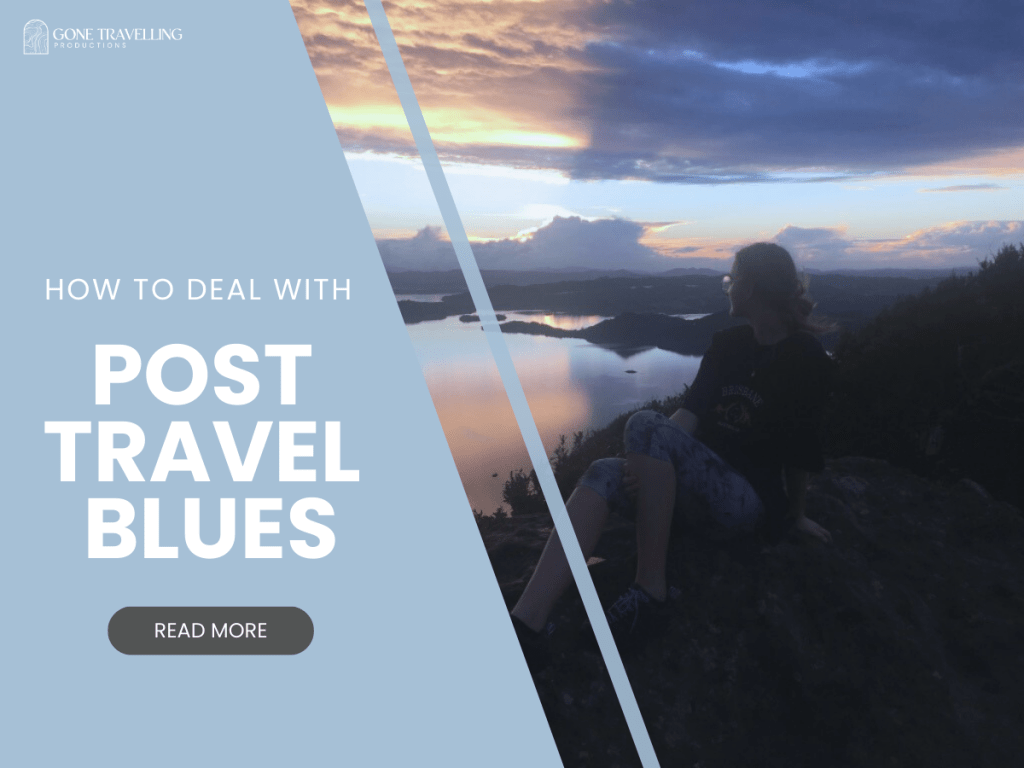
The rush of a trip is like no other: adventure, experiencing something different every day, and being as disconnected as possible from ‘reality’. Travel is a high like no other… But so is the comedown.
So many people experience this period of depression when returning home from a vacation or remote work period which leaves them desperate for a holiday to recover from the holiday. With the homecoming to ‘real world’ responsibilities like work, family, and bills, there’s often no choice but to go straight back into the everyday grind.
RELATED POST: What to do when you hate your job but quitting isn’t an option.
What are post-trip blues?
Returning from an amazing trip only to find yourself deflated, exhausted, and more uninspired than ever hits hard. This is the post-trip blues. It affects your mood, productivity, and even physical health when it comes to sleep and exercise.
Going from the rush of travel to the conformity of normal life can feel like walking head-first into a brick wall. It’s always going to feel hard to say goodbye to that dream destination and time with zero expectations, but the post-trip blues are different. It’s not just missing being away or wishing for a few more days at the beach, it is a period of emotional depression characterised by feelings of sadness, lack of motivation, and fundamental longing for escape.`
Depending on the type of trip you’ve just come back from, this low period can take a few different forms:
Post Trip Blues
Occurring after a vacation, these blues typically leave you feeling down for up to a week. They can leave you focusing on the areas of your life that you wish were different and romanticising a life of no responsibilities.
Post Travel Depression
If you have been on a longer trip of a few months, you may experience more intense and prolonged feelings of sadness, anxiety, and difficulty readjusting to daily life on returning home. It might be difficult to accept the life you left behind with the need for change materialising without a clear path to achieve it.
Reverse Culture Shock
Coming back home after an extended trip such as a gap year or sabbatical can lead to experiencing reverse culture shock. This involves feelings of disorientation, frustration, and alienation as you find yourself back in what should be familiar surroundings and instead struggle to reintegrate. A longer trip abroad might have changed you in such a way that you no longer seem to fit in your unchanged home.
10 Steps to Overcome Post-Trip Blues
Right now, the priority is refinding yourself back home and slipping into ‘normal life’ as seamlessly as possible. Here are my 10 Steps to help you break out of this post-travel depression.
1. Beat the Jetlag
This can be make or break for a smooth transition back home. Jetlag can hugely affect our mood by disrupting the body’s internal clock, also known as the circadian rhythm, which leads to feelings of fatigue, irritability, and unease. It can interrupt your sleep, mess with your hormones, and set you up for failure when it comes to the post-trip blues.
The best way to beat jetlag is to not have it in the first place. The moment you sit on the plane home, reset your phone and watch to your destination’s timezone. If it’s nighttime there (regardless of the time at embarkment) then try and sleep, if it isn’t night then you can’t let yourself sleep at all.
The most crucial step is once you land you CANNOT take any naps for the first 48 hours. You’re going to be tired and cranky for a few days but beating jetlag is 100% worth it.
2. Find a Routine
A routine provides a sense of stability and purpose which counteracts the uncertainty and sadness from post-travel blues. Returning home and feeling lost and disconnected can be caused in part by a lack of control – we have no choice but to be home, back at work, and take on the responsibilities of adulthood. Finding a routine that works for you helps reestablish some of that sense of control by putting you in the driver’s seat.
Commit to a routine that helps promote a healthy sleeping pattern and regular exercise to give yourself the best chance of a healthy mind to help fight the depression from finishing a big trip abroad.
3. Do the Things You’ve Missed
No matter where you’ve been or how long you were gone, I guarantee there were things you missed about home. It might be eating your favourite snacks, visiting the local coffee shop, or going for a drive around the neighbourhood. Indulge in these familiarities and remind yourself of the things you love most about being home.
4. Spend Time with Your Favourite People
One of the best things about returning from a trip is being reunited with friends, family, and loved ones. Spending time with the people who comfort, support, and excite you will not only help you distract yourself from the post-travel. blues, but also improve your overall mood and happiness.
Try sharing how you’re feeling with someone you really trust and listen to their advice. So often simply talking about being sad can be the first step to feeling better.
5. List the Things You’re Excited For
Post-travel blues are partially caused by no longer having something to look forward to. Regular life can seem utterly dull in comparison to vacation or travel, and with your own trip now in the past, the future might be looking bleak.
It’s important to find upcoming activities and events that you’re excited about as a reminder that even life at home can be filled with new experiences and adventure. Making plans for the short term will also help in making the time pass quicker whilst you wait to be readjusted to your day-to-day life.
6. Stay Busy
Similarly to the above, it is a good idea to fill your time with things you love to do in order to avoid wallowing. It is, of course, important to make time to feel your feelings and reflect on your trip, but if all you do is sit and wish you were somewhere else, you’ll probably find that time is moving slower than ever.
Post-trip blues can manifest as tiredness, however, it is a lethargy that can be fought. Push yourself to be up and moving whenever possible to make it through this temporary period of depression.
7. Goal Set
Channel your post-trip energy into setting new goals for your work and personal life. Whether it’s saving up for your next trip or surpassing a particular career challenge, setting goals will work to re-motivate and inspire you in your normal life.
In line with the ideas of Growth Mindset, goal setting is a great way to shift your mindset from seeing your responsibilities as a chore to using them as a springboard to your dream life.
8. Make a Photo Album
Old school, I know. Something I found after returning from my first summer backpacking was that people back home did not want to hear about my trip. I felt frustrated that no one, not even my closest and best friends, asked questions or felt excited to know more, and as a result, I had no outlet for my memories.
I’ve come to learn that this is normal. Those who haven’t just had an amazing adventure typically don’t want to hear too much about yours. They don’t know what questions to ask or have no point of reference for the places you have been, and as a result, don’t have too much to say.
Instead of relying on conversation, try channelling your trip excitement into a project like a photo album. Physically print out your favourite images and stick them next to souvenirs like boarding passes, museum tickets, and even coins in a foreign currency.
9. Focus on Gratitude
Focus on the positive aspects of your life and the experiences you’ve gained from your travels. Keep in mind how lucky you were to have these experiences and the ways you can integrate their impact into your life today.
Beyond gratitude for the trip itself, also spend time considering the life you have back at home. What are you lucky to have? What are the positives of your job? What future will your life today enable?
10. Book Your Next Trip
Sometimes the best way to get over one trip is to get underway planning the next.
And let’s be honest, it was only going to be a matter of time before you booked that next flight, hotel, or rental car.
How to Avoid Post-Trip Blues in the Future
The best way to avoid post-trip blues in the future is to create a sustainable life you love today. When your post-travel depression lasts more than a week or two, the problem might turn out to be not related to your vacation at all.
Be honest with yourself, are you satisfied with the life you are currently living? If not, then a period of dissatisfaction and low mood might be inevitable, regardless of whether you’ve taken a trip. You can read more about this in my Guide to Burn Out to learn how to spot the signs of a life that drains more than it energises, as well as what to do next.
Any more tips? Leave them in the comments below.
Like this? Read Related Posts:
10 Work From Home Productivity Tools to Help You Focus (even from the couch)
The 10 best gadgets, software, and tools that I use daily to stay productive when working from home.

12 Remote Interview Tips to Digitally Show Up as Your Best Self
How to prepare for a digital interview and how to be confident in an interview remotely.

8 Little Ways to Help with Homesickness during the Holidays
Learn how to manage homesickness during the holidays as an expat living abroad.

 Gone Travelling Productions
Leave a comment